
Loan comparison calculator
The cheapest offer is rarely the one with the lowest payment. Lenders move three levers at once - rate, term and fees - which makes offers hard to read. Line them up on total cost and the ranking often flips.
Loan comparison
Full cost of each offer
Total cost is every payment you will make plus the fees.
Comparing offers that are not the same shape
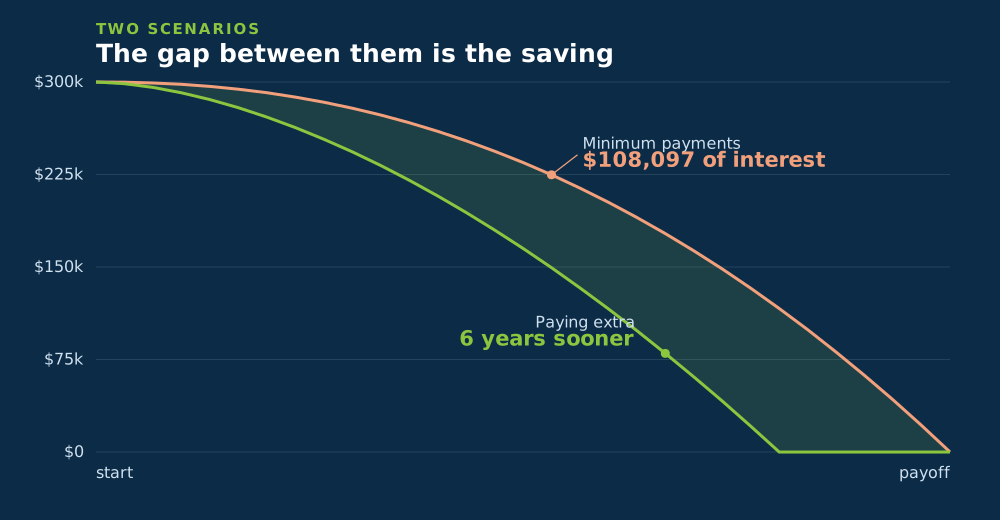
A longer term almost always produces a lower monthly payment, even at a worse rate. That is why the payment column on its own is misleading. Total cost - every payment plus fees - is the number that tells you which offer takes more of your money.
When the cheapest offer is still the wrong one
If the cheapest offer carries a payment you cannot reliably meet, it is not the right loan. Affordability first; total cost decides between the options you can actually service.
Three things the numbers do not show
- Whether the rate is fixed. A variable loan has no knowable total, so it cannot be compared this way. Test it at two or three points higher instead.
- Prepayment penalties. A slightly worse rate you can overpay freely often beats a better rate you are locked into.
- What counts as a fee. Origination charges, points and admin fees all belong in the fees box, or the offer that makes its money up front looks better than it is.
Guides that explain this
Written with the same engine, so every figure agrees with the calculator.
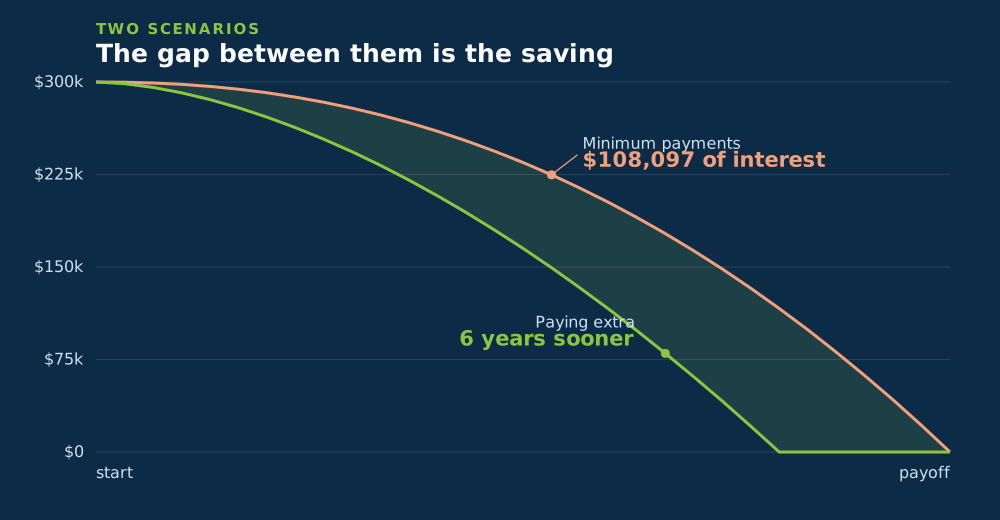 APR vs interest rate: what actually separates themWhat separates APR from the interest rate, which fees are included, and why APR quietly flatters a loan you will not keep for its full term.8 min read
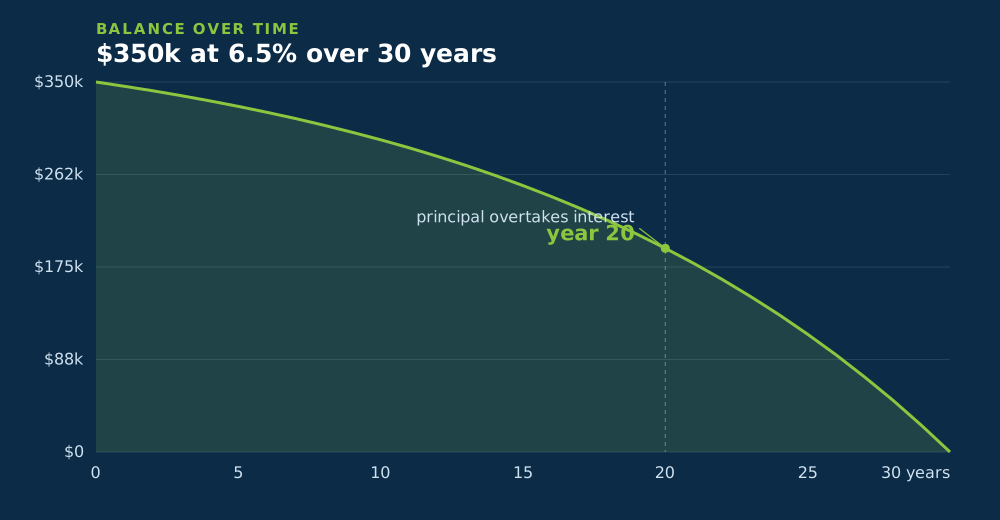 Student loan repayment without guessingRepayment plans compared on total cost, when refinancing federal loans is a mistake, and how capitalisation quietly inflates your balance.10 min read
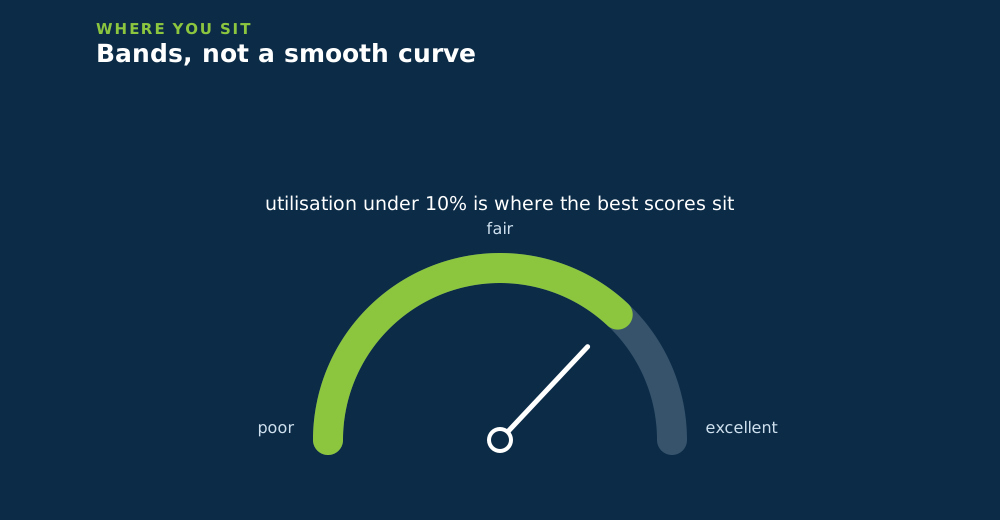 How your credit score sets your interest rateWhat a credit score is built from, how score bands translate into real rate differences and dollars, and which actions move a score quickly versus slowly.10 min read
Questions people actually ask
How do I compare loans with different terms?
Compare total cost, not the monthly payment. A longer term lowers the payment while increasing what you hand over in total. Add every payment together, add the fees, and compare those figures.
Should I always take the loan with the lowest total cost?
Only among the loans you can comfortably afford. A payment you might miss is a worse outcome than a few hundred dollars of extra interest, because late payments cost fees and credit standing.
Where do origination fees and points go?
In the fees box. They are part of what the loan costs you, and leaving them out flatters offers that make their money up front rather than in the rate.
Can I compare a fixed rate against a variable one?
Not on total cost, because a variable loan's total is unknown. Compare the payments at today's rate, then test what happens if the variable rate rises two or three points.
Other calculators
- Amortization scheduleThe whole table, payment by payment, with extra payments and a CSV export.
- Extra payment calculatorWhat $200 a month is worth in interest saved and years removed.
- Refinance break-evenWhen the closing costs are recovered, and whether a new term quietly costs more.
- Biweekly vs monthlyWhether fortnightly payments are worth it, and how to get the same result free.
- Mortgage calculatorPrincipal, interest, tax, insurance, PMI and HOA in one honest number.
- Auto loan calculatorTrade-in, negative equity, sales tax and dealer fees, all financed.